Why Children Are Afraid of the Dark (And When to Worry)
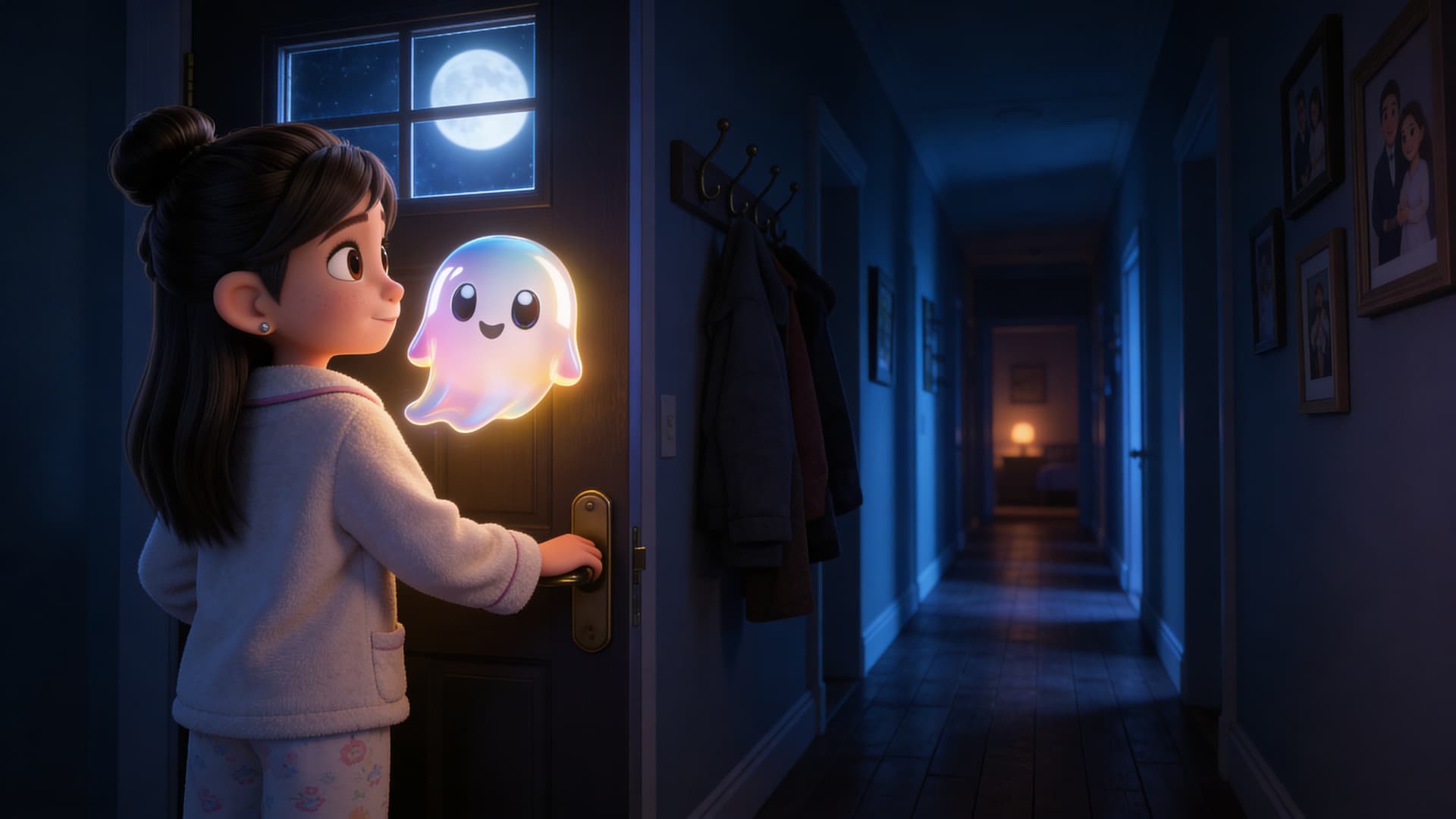
If your child is afraid of the dark, you're in very normal company. Studies suggest that up to 90% of children experience some degree of fear of the dark between the ages of 2 and 10. It's one of the most universal childhood experiences — and there are good developmental reasons for it.
But "normal" doesn't mean "nothing to think about." Understanding why children fear the dark helps you respond in a way that builds their confidence instead of accidentally reinforcing the fear.
Why the dark is scary (it's not what you think)
The dark itself isn't the problem. Children aren't born afraid of darkness — newborns sleep perfectly well in pitch black rooms. The fear develops alongside two other cognitive milestones:
1. Imagination develops faster than logic
Between ages 2 and 4, children's imaginative abilities explode. They can conjure vivid mental images of things that aren't there. But the rational part of their brain — the prefrontal cortex that can say "that's not real" — won't fully mature until their mid-twenties.
So when a 3-year-old tells you there's a monster in the wardrobe, they're not lying or being dramatic. Their brain literally cannot fully distinguish between an imagined threat and a real one in the dark, because the visual information that would normally correct the imagination ("I can see it's just a coat") is gone.
2. They're learning that the world has real dangers
Around age 3-4, children begin to understand that bad things can actually happen. They overhear news, pick up on adult stress, notice when other children get hurt. The dark becomes a container for these new, half-understood threats.
3. Separation anxiety and the dark overlap
For younger children (2-3), fear of the dark is often really fear of being alone. Darkness = can't see Mum or Dad = they might be gone. The two fears amplify each other.
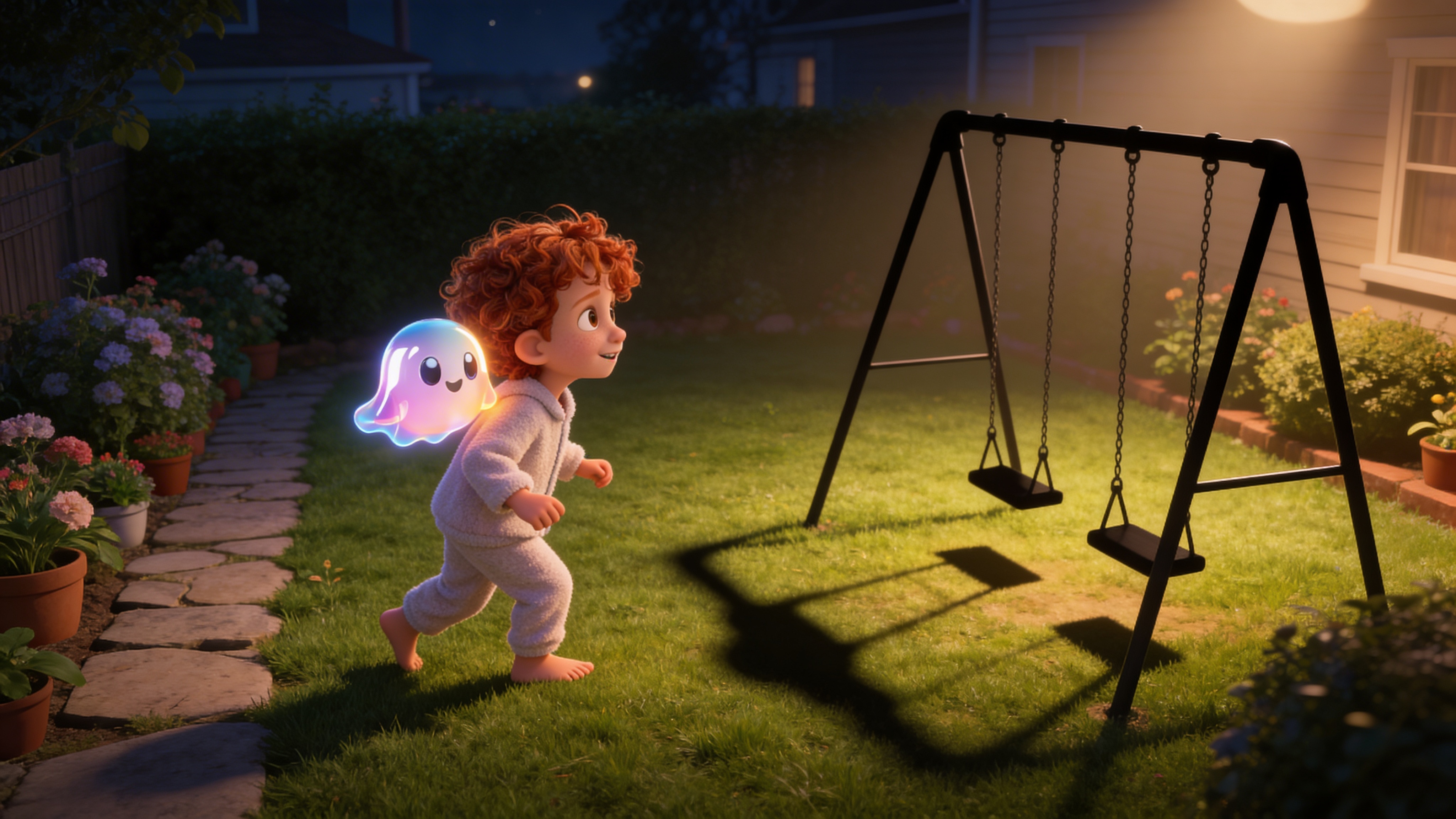
What's normal, by age
| Age | What you might see | Why it happens |
|---|---|---|
| 2-3 | Cries or clings when lights go off, wants door open | Separation anxiety + emerging imagination |
| 3-5 | Specific fears: monsters, shadows, noises | Imagination outpaces rational thought |
| 5-7 | Fears become more realistic: burglars, fire, something bad happening to parents | Growing awareness of real-world dangers |
| 7-10 | Usually fading, but can spike around stressful events (new school, family changes) | Temporary regression under stress |
Most children outgrow fear of the dark naturally as their brain matures and they accumulate evidence (night after night) that nothing bad happens.
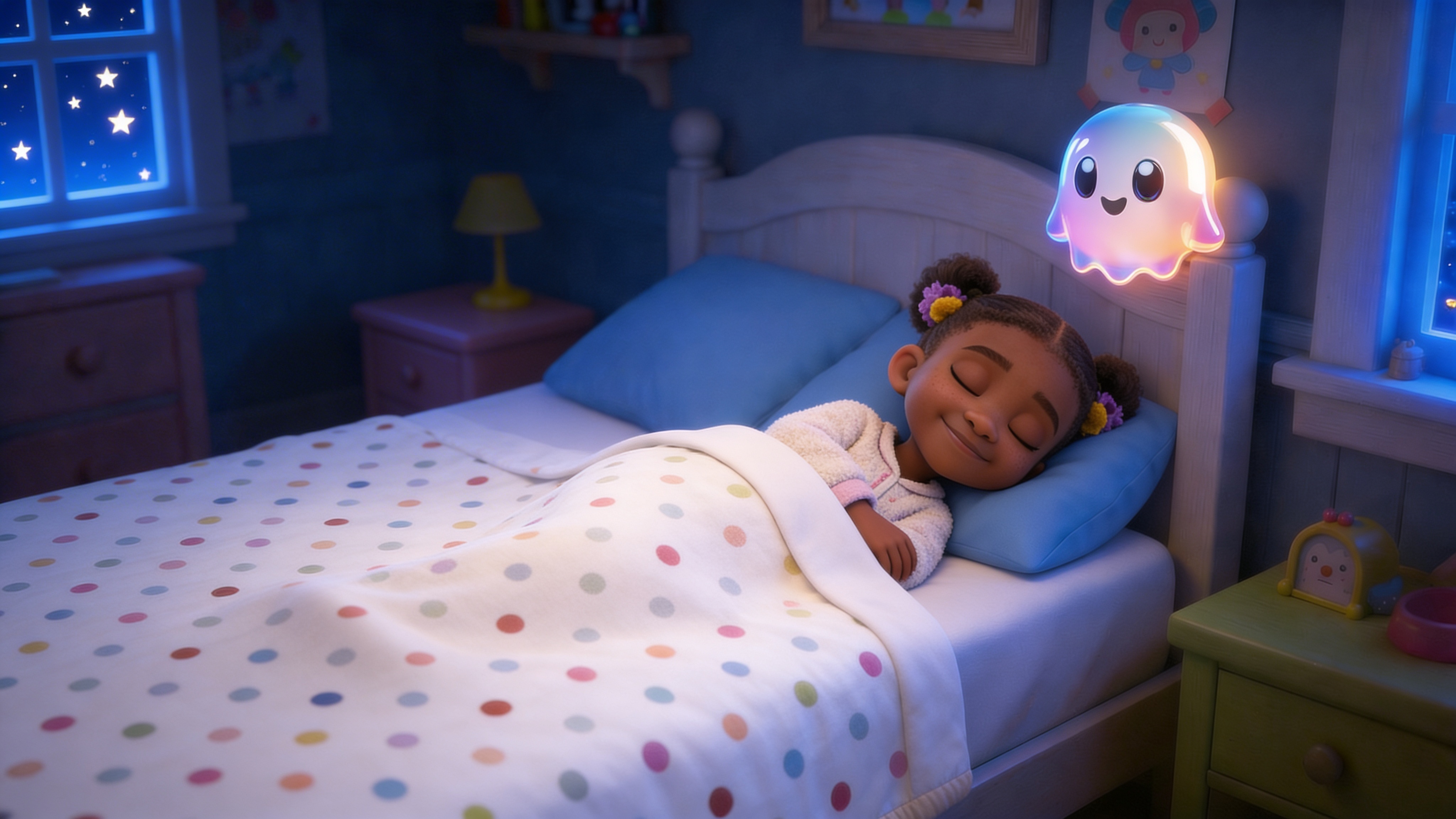
5 things that genuinely help
1. Validate, then redirect. "I understand you feel scared. Let's make this room feel safe together." Validation lowers the emotional temperature; the redirect gives them something to do.
2. Give them a sense of control. A dim nightlight they can switch on themselves. A "bravery object" (teddy, blanket, special toy). The feeling of agency is more powerful than the object itself.
3. Practice being in the dark during the daytime. Shadow puppets, glow-stick dance parties, torches under blankets. When children have positive associations with darkness, the bedtime version feels less threatening.
4. Avoid "checking for monsters." This seems helpful but actually confirms that monsters are worth checking for. Instead, try: "This room is safe. Let me show you — same room as always."
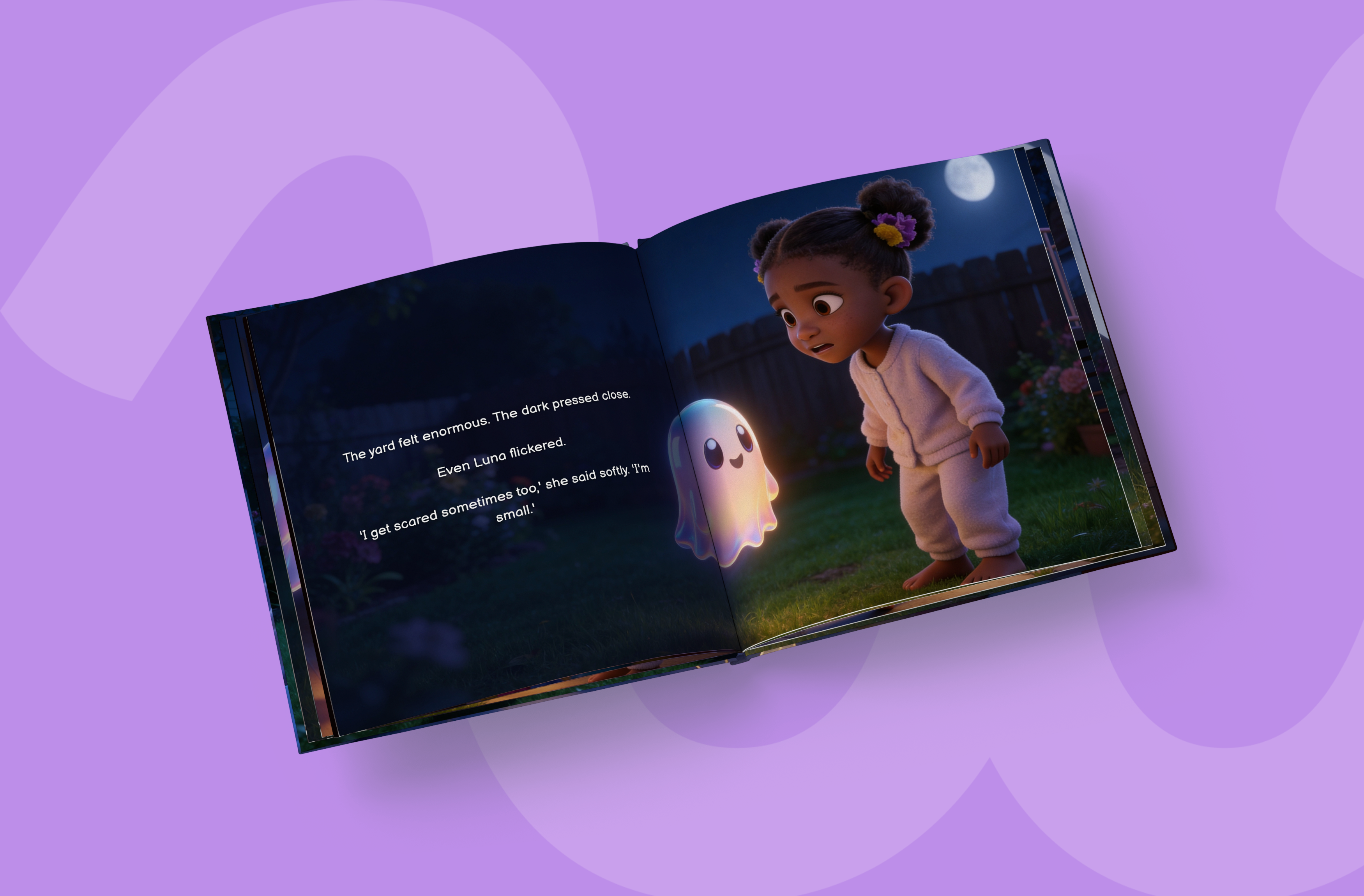
5. Use stories to build courage. When children hear stories about characters (especially characters who look like them) facing the dark and finding it beautiful rather than scary, it rewires the association. This is a form of what psychologists call bibliotherapy — using narrative to process emotional challenges.
A personalised bedtime story where your child is the main character can make this especially powerful, because the child isn't just hearing about courage — they're seeing themselves being brave.
When to talk to your GP or health visitor
Most fear of the dark is normal and temporary. But speak to a professional if:
- The fear is getting worse over months rather than gradually improving
- It's causing significant sleep deprivation (for the child or the family)
- It's paired with excessive anxiety during the day (clinginess, stomach aches, refusal to go to school)
- The fear appeared suddenly after a specific event (trauma, loss, big family change)
- Your child is over 10 and the fear is intensifying rather than fading
These don't necessarily mean something is wrong — but a professional can help rule out anxiety disorders and give you targeted strategies.
The big picture
Fear of the dark is a sign that your child's brain is developing exactly as it should. Their imagination is growing, their understanding of the world is deepening, and they're learning to process uncertainty.
Your job isn't to make the fear disappear tonight. It's to be the safe, calm presence that teaches them: You can feel scared and still be okay. And eventually, the scared feeling gets smaller all on its own.
Looking for a gentle way to help your child see the dark differently? The Night We Found the Stars is a personalised book where your child discovers the beauty hiding in the night sky — starring them.
Explore our books
Funny, heartwarming picture books about big feelings — on Amazon and as personalized storybooks.
Browse our booksEnjoyed this post?
Get new stories, free coloring pages, and book recommendations — straight to your inbox.
No spam, unsubscribe anytime.